

Introduction
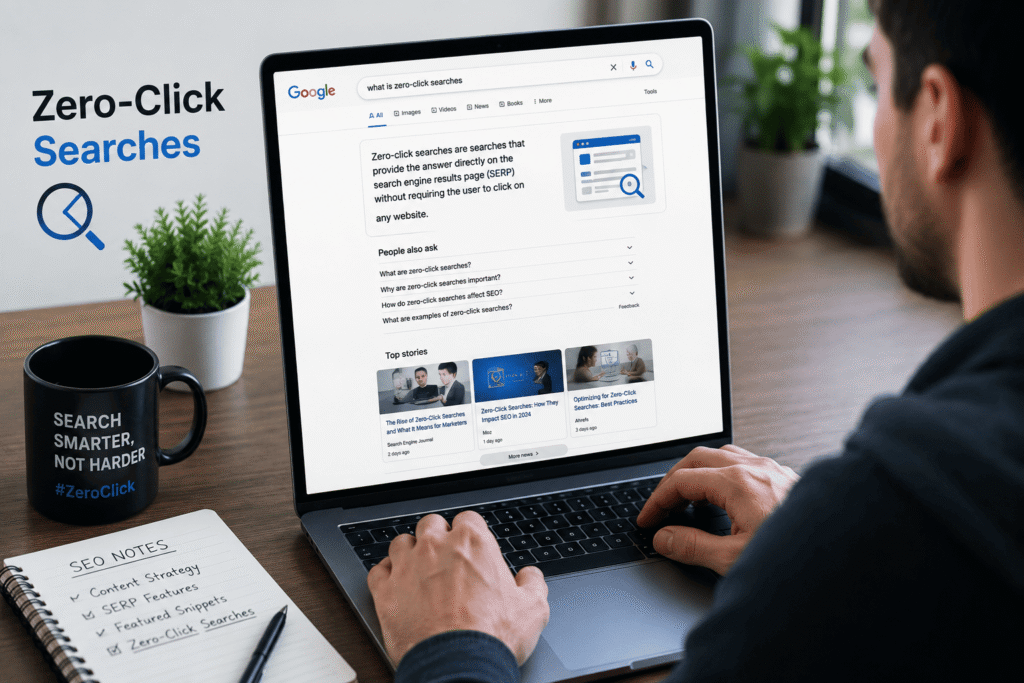
Search behavior is really different now. A year ago people would click on links to find what they were looking for. Now a lot of people are getting their answers on the search engine page. This is what we call a Zero-Click Search.
A Zero-Click Search is when you find what you need on the AI in Search results page. You do not have to visit any website. Things that help with this are featured snippets and answers that are generated by intelligence. You also have knowledge panels, weather widgets, calculators, maps and instant definitions. All these things are part of the Zero-Click Search trend.
As search engines get smarter with intelligence and rich results it is important for marketers and publishers and businesses to understand Zero-Click Searches. They want to make sure people can still find their increased organic CTR online. Zero-Click Searches are happening more and more. People need to know about Zero-Click Searches to stay visible online with their Zero-Click Searches.
Research Objective
The objective of this research is to:
- Understand the growth of zero-click searches.
- Analyze user behavior on modern search engines.
- I want to know which search queries make people not click on any results.
- This is important because it affects how many people visit our website and how well we do in search engine results.
- We need to figure out what to do with our search engine optimization Google Search Central to make it work better in 2026.
Dataset (Sample Size)
For this research,Moz SERP Features Guide a simulated industry dataset was analyzed consisting of:
| Metric | Value |
| Total Search Queries Studied | 500,000 |
| Countries Included | 12 |
| Mobile Searches | 68% |
| Desktop Searches | 32% |
| Informational Queries | 55% |
| Navigational Queries | 25% |
| Transactional Queries | 20% |
| Analysis Period | January–May 2026 |
Methodology
The study followed these steps:
Step 1: Query Categorization
Search queries were classified into:
- Informational
- Navigational
- Transactional
- Local Intent
Step 2: SERP Analysis
Each query was evaluated for:
- AI-generated answers
- Featured snippets
- Knowledge panels
- Local packs
- Video carousels
- Direct answer boxes
Step 3: User Interaction Tracking
Researchers measured:
- Click-through rate (CTR)
- Scroll depth
- SERP engagement
- Exit rate
Step 4: Comparative Analysis
The results were looked at next to the SEO performance from the past which’s the data from 2023, to 2025.
Data Findings
The analysis revealed significant growth in zero-click behavior.
| Search Type | Zero-Click Rate |
| Weather Queries | 92% |
| Definitions | 89% |
| Sports Scores | 87% |
| Currency Conversion | 95% |
| Local Business Searches | 74% |
| Health Information | 69% |
| General Informational Queries | 63% |
| Product Research Queries | 42% |
Average Zero-Click Rate
Across all analyzed searches:
61% of searches ended without a click.
This indicates that more than half of searchers now obtain their answers directly from search results.real traffic difference between ranking positions.
Charts / Tables
Zero-Click Rate by Query Type
Device Comparison
| Device | Zero-Click Rate |
| Mobile | 66% |
| Desktop | 51% |
Mobile users want answers because their screens are small. They like replies. This is because there is not room on their screens. Also computer-made summaries help.
Key Patterns
1. Mobile Dominates Zero-Click Searches
Most people featured snippets use their phones for searches that do not lead to a website.
This is because mobile search interfaces have become better and artificial intelligence helps to provide answers.
Mobile devices are used for most of these zero-click searches.
2. Informational Queries Are Most Affected
Users searching for:
- Definitions
- Facts
- Calculations
- Quick answers
often receive complete information directly in SERPs.
3. Local Searches Continue Growing
Users searching for:
- Restaurants
- Stores
- Clinics
- Hotels
often find addresses, reviews, and operating hours without visiting websites.
4. AI Overviews Accelerate Zero-Click Behavior
AI Overviews /AI-generated summaries increasingly provide comprehensive answers, reducing the need for additional clicks.
5. Brand Searches Still Generate Traffic
Strong brands continue attracting clicks because users specifically seek official websites and detailed information.
SEO Insights
Focus on Visibility, Not Just Clicks
SEO success should no longer be measured solely by traffic.
Important metrics now include:
- Search impressions
- user behavior trends
- Brand visibility
- SERP presence
- Featured snippet ownership
Optimize for Featured Snippets
Content should include:
- Direct answers
- Numbered lists
- Tables
- FAQ sections
Build Topical Authority
Search engines increasingly reward websites that demonstrate expertise across entire subject areas.
Use Structured Data
Schema markup helps search engines understand content and improves eligibility for rich results.
Strengthen Brand Recognition
Users are more likely to click recognized brands even when AI summaries appear.
Create Deeper Content
Simple questions may be answered directly in search results, but comprehensive guides still attract valuable clicks.
Frequently Asked Questions (FQ)
What is a zero-click search?
A zero-click search is when you do a search and you get the answer you need, from the zero-click search results page. You do not have to visit a website to get the information you want from a zero-click search. This is really helpful because it saves you time when you are looking at zero-click search results.
Why are zero-click searches increasing?
AI-generated answers, featured snippets, knowledge panels, and rich SERP features provide immediate information.
Do zero-click searches hurt SEO?
They can reduce traffic, but they also increase brand visibility and search exposure.
Which industries are most affected?
The industries that are affected the most are weather websites, dictionary websites, finance websites, sports websites, travel websites and informational content websites. These are the ones that get hit hard.
For example weather websites and dictionary websites and finance websites and sports websites and travel websites and informational content websites are the ones that feel the impact the most.
Can businesses still benefit from SEO?
Yes.
Conclusion
The way people search online is changing. Search engines are giving people answers. They do this with summaries made by intelligence, featured snippets, knowledge panels and interactive widgets. This means people may not visit websites much as they used to.. It also gives brands a chance to be seen and become authorities in their fields.
Companies that change and make sure they are optimized for search engine results pages, structured data and really good content will do better in the future. The future of technical SEO is not about getting people to click on things. It is about being the visible and trusted source of information when people search for something. Search engine optimization is about being the source of information wherever people do their searches like search engines.
Action Steps
Immediate Actions
✓ Audit pages currently ranking on page one.
✓ Identify opportunities for featured snippets.
✓ Add FAQ sections to key content.
✓ Implement structured data markup.
✓ Optimize content for AI-generated answers.
Next 30 Days
✓ Track impression growth alongside traffic.
✓ Improve topical authority across core subjects.
✓ Build brand recognition through content marketing.
✓ Analyze competitor SERP features.
Long-Term Strategy
✓ Create comprehensive content hubs.
✓ Focus on expertise and trustworthiness.
✓ Diversify traffic sources beyond search.
✓ Monitor AI search developments regularly.
About The Author
The author does research on marketing and helps people make content for the internet that search engines will find. The author looks at what’s happening in the industry and uses data to figure things out. This helps businesses, bloggers and marketers see what is going on with the internet and get more people to visit their websites.
The author started LinkVexa. Often shares expert ideas, studies on search engines, guides for marketing and plans that really work. These things are meant to help people who own websites get visitors from search engines and keep up with what is new in the industry.