

Introduction
In today’s fast-paced digital economy, technology brands are not just companies—they are ecosystems shaping how we live, work, communicate, and even think. From smartphones in our pockets to cloud systems powering global businesses, tech giants dominate both innovation and market value.
But what makes a technology brand truly valuable in 2026?
It’s no longer just about revenue. Brand value now reflects trust, innovation, customer loyalty, data power, and long-term influence. In this article, we’ll explore the world’s most valuable technology companies ranking in 2026, break down what drives their success, and uncover trends shaping the future of the tech industry.
Whether you’re an entrepreneur, investor, or tech enthusiast, this deep dive will give you real insights into the brands leading the global digital revolution.
What Defines a “Valuable” Technology Brand in 2026?
Before jumping into rankings, it’s important to understand how brand value is measured.
Key Factors Behind Brand Value
• Financial performance and revenue growth
• Brand reputation and trust
• Innovation and product ecosystem
• Customer loyalty and retention
• Global market influence
• Digital presence and scalability
In 2026, companies that combine AI innovation, cloud infrastructure, and ecosystem dominance are leading the race.
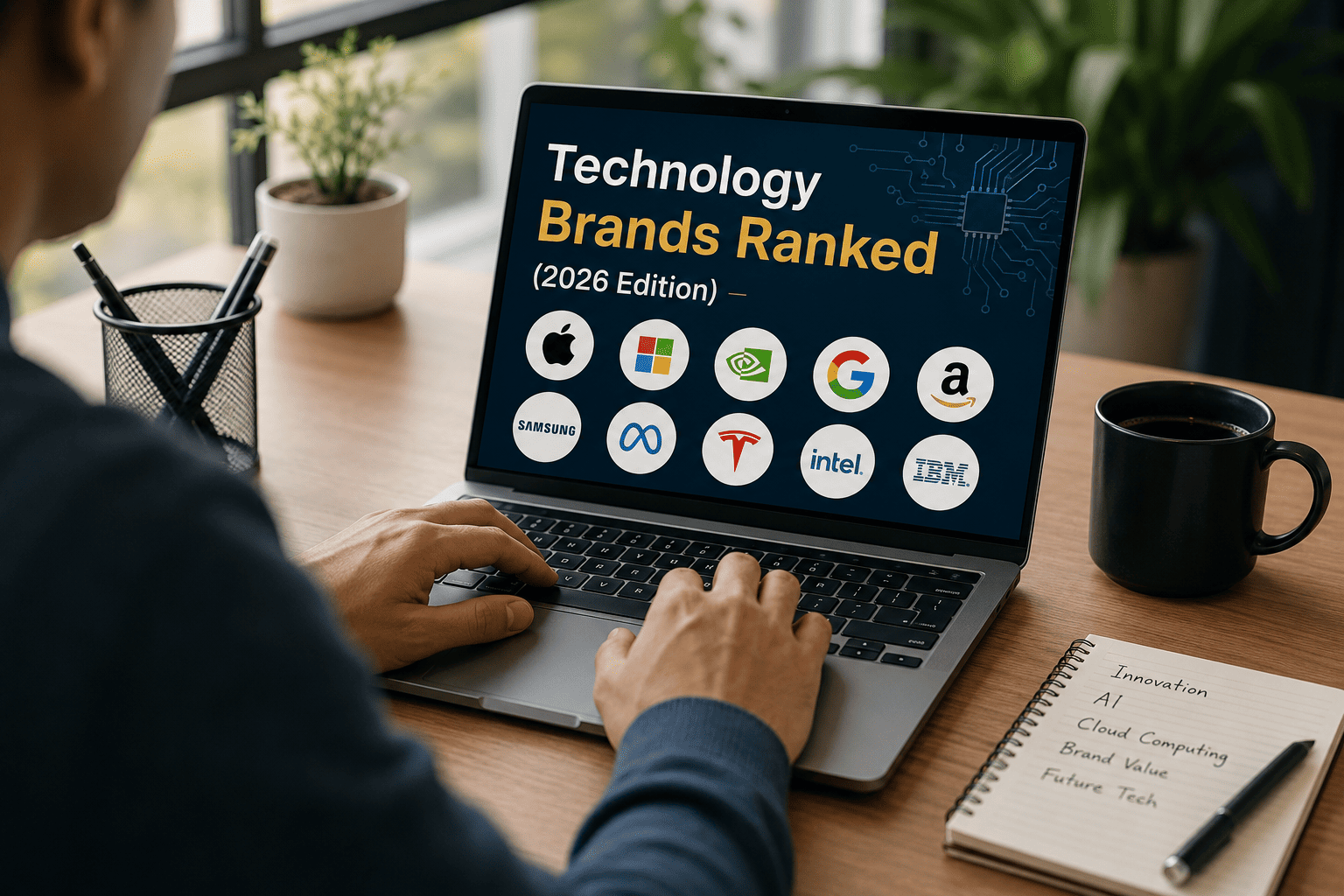
Top 10 Most Valuable Technology Brands in 2026
Below is a carefully analyzed ranking based on global market trends, brand strength, and innovation impact.
1. Apple
Apple continues to hold the crown as the most valuable technology brand in the world.
Why Apple Leads
• Strong ecosystem (iPhone, Mac, iPad, Watch, Vision devices)
• Premium brand positioning
• Unmatched customer loyalty
• Focus on privacy and user experience
Apple’s ability to integrate hardware, software, and services seamlessly keeps it ahead of competitors.
2. Microsoft
Microsoft has transformed into a cloud-first, AI-driven powerhouse.
Key Growth Drivers
• Azure cloud dominance
• AI integration across products
• Enterprise software leadership
• Strategic investments in AI tools
Microsoft’s enterprise influence makes it one of the most stable and valuable brands globally.
3. Google (Alphabet)
Google remains a digital giant with unmatched control over online information.
Strength Areas
• Search engine monopoly
• YouTube dominance
• AI and data capabilities
• Advertising ecosystem
Its investments in AI and machine learning continue to expand its long-term value.
4. Amazon
Amazon is more than an e-commerce platform—it’s a global infrastructure giant.
What Makes Amazon Powerful
• AWS cloud services
• Global logistics network
• E-commerce dominance
• Expansion into AI and automation
Amazon’s ability to scale across industries keeps its brand value rising.
5. NVIDIA
NVIDIA has emerged as one of the fastest-growing technology brands in the AI era.
Why NVIDIA is Rising
• Leader in AI chips and GPUs
• Critical role in machine learning infrastructure
• Partnerships with major tech companies
As AI demand grows, NVIDIA’s importance—and brand value—continues to skyrocket.
6. Samsung
Samsung remains a global leader in consumer electronics and semiconductors.
Core Strengths
• Smartphone market leadership
• Semiconductor manufacturing
• Diverse product portfolio
Its ability to compete across multiple tech sectors gives it strong long-term stability.
7. Meta
Meta continues to evolve beyond social media into immersive technologies.
Growth Factors
• Facebook, Instagram, WhatsApp ecosystem
• Investment in Metaverse and VR
• Advertising revenue
Despite challenges, Meta’s user base and future vision keep it highly valuable.
8. Tesla
Tesla stands at the intersection of technology, energy, and transportation.
What Drives Tesla’s Brand Value
• Electric vehicle innovation
• AI-driven autonomous technology
• Strong brand identity
Tesla is redefining what a “tech company” looks like in the modern era.
9. Tencent
Tencent dominates the Asian digital ecosystem.
Key Advantages
• Gaming industry leadership
• Social platforms (WeChat)
• Fintech and digital services
Its integrated ecosystem makes it a powerhouse in global tech markets.
10. IBM
IBM continues to reinvent itself through enterprise technology and AI.
Strategic Focus
• Cloud computing
• AI solutions (enterprise-focused)
• Consulting services
While not flashy, IBM remains highly influential in enterprise transformation.
Comparison Table: Top Technology Brands 2026
| Brand | Core Strength | Key Industry Focus | Growth Driver |
| Apple | Ecosystem | Consumer Tech | Premium products |
| Microsoft | Cloud & AI | Enterprise Software | Azure growth |
| Data & Search | Digital Advertising | AI expansion | |
| Amazon | Infrastructure | E-commerce & Cloud | AWS dominance |
| NVIDIA | AI Hardware | Semiconductors | AI boom |
| Samsung | Manufacturing | Electronics | Chip production |
| Meta | Social Platforms | Digital Advertising | Metaverse |
| Tesla | Innovation | EV & AI | Automation |
| Tencent | Ecosystem | Gaming & Social | User base |
| IBM | Enterprise Tech | Consulting & AI | B2B solutions |
Key Trends Shaping Technology Brand Value in 2026
Understanding rankings is useful—but understanding trends is powerful.
1. AI is the Biggest Value Driver
Artificial Intelligence is no longer optional.
Companies leading in AI are seeing massive increases in brand value because they:
• Improve efficiency
• Enhance user experience
• Create new revenue streams
2. Ecosystem Power Wins
Brands like Apple and Amazon dominate because they create closed ecosystems that keep users engaged.
Example:
Buying an iPhone often leads to buying AirPods, Apple Watch, and subscriptions.
3. Cloud Computing is Critical
Cloud infrastructure has become the backbone of modern businesses.
Top players:
• Microsoft Azure
• Amazon AWS
• Google Cloud
These platforms drive recurring revenue and long-term growth.
4. Trust and Privacy Matter More Than Ever
Consumers now care about:
• Data security
• Ethical AI
• Transparency
Brands that prioritize trust gain long-term loyalty.
5. Hardware + Software Integration
Companies combining hardware and software are outperforming others.
Examples:
• Apple
• Tesla
• Samsung
This integration creates a better user experience and higher margins.
How These Brands Maintain Their Dominance
Innovation Strategy
Top brands invest heavily in research and development.
Global Expansion
They continuously enter new markets and adapt to local needs.
Customer Experience
User-centric design and seamless experiences keep customers loyal.
Strategic Acquisitions
Buying smaller companies helps them stay ahead of trends.
Practical Insights for Businesses and Entrepreneurs
You don’t need to be a trillion-dollar company to apply these lessons.
What You Can Learn
• Focus on building trust with your audience
• Create a strong brand identity
• Invest in innovation—even on a small scale
• Build systems, not just products
• Use data to make decisions
Real-World Example: Ecosystem Success
Let’s say a small SaaS company builds a tool.
Instead of just selling one product, they can:
• Offer integrations
• Build a subscription model
• Create a community
This mimics the strategy used by top tech brands.
Future Outlook: What to Expect Beyond 2026
Technology is evolving rapidly, and the next wave of leaders may emerge from unexpected areas.
Future Growth Areas
• Artificial Intelligence and Automation
• Quantum Computing
• Augmented Reality and Virtual Reality
• Sustainable Technology
• Biotechnology
Brands that adapt early will dominate future rankings.
Frequently Asked Questions (FAQ)
1. What is the most valuable technology brand in 2026?
Apple is widely considered the most valuable technology brand due to its ecosystem, innovation, and customer loyalty.
2. Why are AI companies gaining value so fast?
AI improves efficiency, reduces costs, and creates new business models, making it a key growth driver.
3. How is brand value different from company valuation?
Brand value focuses on perception, trust, and influence, while company valuation includes financial metrics.
4. Which tech sector is growing the fastest?
Artificial Intelligence and cloud computing are currently the fastest-growing sectors.
5. Can new companies compete with these giants?
Yes, especially in emerging technologies like AI, SaaS, and green tech.
6. Why is ecosystem important in tech brands?
Ecosystems increase customer retention and create multiple revenue streams.
7. Is hardware still important in 2026?
Yes, especially when combined with software and services.
Conclusion
The world’s most valuable technology brands in 2026 are not just successful—they are transformative. They shape industries, influence economies, and redefine how we interact with technology.
From Apple’s ecosystem dominance to NVIDIA’s AI revolution, each brand on this list represents a different path to success—but they all share common traits: innovation, trust, scalability, and vision.
Key Takeaways
• AI and cloud computing are driving the future
• Ecosystem-based businesses dominate the market
• Brand trust is more important than ever
• Innovation is the foundation of long-term value